
Climate Change News
5 climate change priorities for 2023
As our window to act becomes ever smaller, what should be the top climate change priorities in 2023?

As our window to act becomes ever smaller, what should be the top climate change priorities in 2023?
Between technical wording and vague commitments, it can be challenging to analyze and understand the decisions that emerged from COP27. In this article, ClimateTrade explains the most relevant carbon market developments from this year’s Conference of the Parties. Two intense weeks of negotiations came to an end on Sunday, and a record 35,000 COP27 delegates have now left Sharm el-Sheikh. It’s time to digest all the information that came out of the summit, and for us at ClimateTrade, that means analyzing the most relevant carbon market announcements and developments. More on this topic: Top 5 expectations from COP27 COP27 carbon market development 1: Article 6 advances While COP26 was seen as a cornerstone moment for Article 6, COP27 was an opportunity to iron out some of the more technical details of the functioning of international carbon markets under the Paris Agreement. For Article 6.2, governing the use of Internationally Transferred Mitigation Outcomes (ITMOs), the text adopted at COP27 clarifies the rules on how to track ITMOs through a registry, what each country’s Article 6 reporting expert reviews should include, and how parties should report the use of ITMO towards the achievement of Nationally Determined Contributions (NDCs). Article 6.4, which governs voluntary cooperation between countries to achieve the goals of the Paris Agreement, did not progress as much as expected, mostly because its Supervisory Body was formed just a few months before COP27 and only had time to meet once before the conference. However, the text approved in Sharm el-Sheikh does bring some clarifications on the transfer of credits developed under the Clean Development Mechanism (CDM) to the Article 6 mechanism. It also gives more details on the type of emissions reductions where the Share of Proceeds (a tax on carbon credit trade under the Article 6 mechanism) should be applied. Carbon market experts, including the International Emissions Trading Association (IETA) that ClimateTrade is a member of, believe 2023 will be a much more productive year in working to define the functioning of Article 6, and that the first credits to be issued under this mechanism should come out in 2025. COP27 carbon market development 2: Loss and Damage Fund This year’s COP was marked by a historic agreement: for the first time, parties agreed to set up a Loss and Damage Fund to help vulnerable countries deal with the consequences of climate change. This is based on the notion that rich countries and their rapid industrial development over the past 200 years are highly responsible for the issues currently affecting the climate, and that the effects of climate change are most felt by countries that contribute very little to global warming. Loss and damage funding, also called climate reparations by some, has been championed by vulnerable countries at climate conferences since before the Paris Agreement was signed, but it took more than a decade – and dramatic climate events like this year’s Pakistan flooding – for this item to be added to the official COP agenda. On the surface, this issue may not seem relevant to carbon markets, but we at ClimateTrade believe that the creation of the Loss and Damage Fund will have a positive impact on the adoption of the carbon market. Some of the developing countries that have been fighting for climate reparation have also been reluctant to adopt carbon finance mechanisms, as they have seen the development of the carbon market as detracting from the issue of loss and damage. For that reason, they may have put off carbon initiatives in order not to weaken their argument for the creation of the fund. Now that parties have agreed to set up the Loss and Damage Fund, these countries are likely to feel more comfortable participating in the carbon market as an additional avenue for climate finance, rather than as an avenue to replace it. This could result in increased carbon credit supply and improved global participation in the carbon market. Of course, the COP27 Loss and Damage Fund announcement was only an outline: ClimateTrade will watch developments closely to detect any further impact the fund, its rules or its functioning could have on the carbon market. COP27 carbon market development 3: African Carbon Markets Initiative Another big piece of carbon market news announced at COP27 was the launch of the African Carbon Market Initiative, which aims to produce 300 million carbon credits annually across the continent by 2030, and 1.5 billion credits annually by 2050. The goal of the initiative is to unlock more financing for Africa’s energy transition – specifically, US$6 billion by 2030 and US$120 billion by 2050, all the while supporting over 110 million jobs by 2050. Several African nations, including Kenya, Malawi, Gabon, Nigeria and Togo, joined the launch event for ACMI, which is supported by financiers such as Exchange Trading Group, Nando’s and Standard Chartered. COP27 carbon market development 4: Energy Transition Accelerator U.S. Climate Envoy John Kerry made headlines early in the summit by announcing the Energy Transition Accelerator (ETA) – a public-private initiative to fund renewable energy projects through carbon offsets, with the purpose of accelerating the clean energy transition in developing countries. More details are expected in the coming months. COP27 carbon market development 5: First ITMO trade between Switzerland and Ghana While Article 6 remains to be fully finalized, Switzerland and Ghana have completed the first ever voluntary sale of ITMOs under Article 6.2. With this transaction, sustainable rice farming in Ghana will help Switzerland lower its national emissions, while giving Ghanaian farmers an extra revenue stream. The trade shows that countries do not need to wait for COP negotiations to end to act collaboratively on climate.

Biodiversity credits are the latest tool in the climate action arsenal – but how do they work and what is their role in relation to the carbon market? Biodiversity protection and restoration is one of the key topics at COP27 in Sharm el-Sheikh, and for good reason. Ahead of the UN Climate Change Conference, WWF revealed the catastrophic effect of human activity on biodiversity: according to the Living Planet Report 2022, wildlife populations shrank by an average of 69% between 1970 and 2018. How is climate change affecting biodiversity? Climate change has been identified as one of the most significant threats to biodiversity in recent years. Rising temperatures, changing rainfall patterns, and increased frequency and intensity of extreme weather events such as hurricanes, droughts, and wildfires are already having a significant impact on global ecosystems and the species that inhabit them. Some of the effects of climate change on biodiversity include: Range shifts: species that move to cooler climates as their current habitats have become too warm for them, leading to animal extinctions if they cannot adapt to new habitats. Alterations in migration patterns: Climate change is affecting the timing of seasonal events such as flowering, bird migration, and insect emergence. This can disrupt the delicate balance of ecological interactions and result in cascading effects throughout the food chain. Coral bleaching: Warming ocean temperatures have resulted in widespread coral bleaching, where the colorful algae that live in the coral are expelled, causing the coral to turn white and ultimately die. Changes in phenology: The timing of seasonal events, such as when plants flower and when insects emerge, is shifting due to climate change. This can result in mismatches between species that rely on each other, such as pollinators and the plants they pollinate. Why is biodiversity essential for limiting climate change? Climate change is having a profound impact on biodiversity, and we need to implement strategies to address this urgent global challenge. Reducing greenhouse gas emissions are essential in protecting the planet’s ecosystems and the species that rely on them. If the loss of animal and plant life was not tragic enough, this level of biodiversity loss is hindering our efforts to curb climate change: biodiverse ecosystems like forests, peatlands and oceans are natural carbon sinks, and their efficiency is now at risk. What are biodiversity credits? Voluntary biodiversity credits, including the ones developed by Terrasos and ClimateTrade in May and recently recognized by the World Economic Forum, are economic units representing specific actions for biodiversity protection and restoration. In the case of Terrasos, the credits were generated from the Bosque de Niebla-El Globo Habitat Bank in Colombia, with the support of XM, IDB Lab and Partnership for Forest, with each unit representing 10 square meters of land protected for 30 years. Biodiversity credits are typically created through a certification process that verifies the environmental benefits of the conservation or restoration activities. These credits can then be sold on a market to other developers who need to offset the environmental impacts of their own projects. Biodiversity credits – a new way of funding nature protection The role of biodiversity credits was discussed this week during a World Climate Summit panel on carbon offset markets and their role for biodiversity, held in Egypt alongside COP27. As one of the panel speakers, ClimateTrade CEO Francisco Benedito explained that biodiversity credits are set to allow companies, individuals and governments to go beyond carbon neutrality and become “nature-positive”. “As a former banker I was always worried about how to fund sustainable projects for people without collateral. In a renewable energy project, the collateral is the energy that is set to be produced, for instance. But for biodiversity protection projects there is no collateral. This type of unit – biodiversity credits – is a new way of funding nature protection. Because we need to put money to work to avoid further species extinction,” he noted. Beyond the limitations of carbon markets David Antonioli, CEO of Verra and the panel’s moderator, pointed out that as carbon markets have evolved, their limitations have become clearer. “For instance, to make the REDD+ (reduction of emissions from deforestation and forest degradation) work, you need a plausible imminent threat for the forest, that’s the rationale for providing carbon credits. As you get further away from those threats, these projects still provide sustainable livelihoods but because they’re not located where the threat is, they find it difficult to receive carbon finance,” he said, suggesting that biodiversity credits may be able to fill that gap. Verra itself has started to develop a framework around biodiversity credits to ensure that these units can become complementary to the carbon market. Carlijn Nouwen, Co-Founder of the Climate Action Platform for Africa, gave the example of Gabon, a country with very low deforestation rates that cannot access REDD+ creditsm but is looking to monetize the protection of its biodiverse forest. She also emphasized the need to ensure fair compensation for ecosystem services such as biodiversity conservation in the development of these credits: “As we look at paying for biodiversity and ecosystem service credits, we want to make sure we go over and above the financial recognition of carbon credits. We need to innovate with integrity and hold those two things in the right balance to make sure we get equitable compensation for all ecosystem services.” Regulation and education to push demand When it comes to the sources of demand for biodiversity credits, regulation and education are pushing more and more companies towards this offering.” We know about the Task Force on Nature-related Financial Disclosures, 40% of which is about biodiversity. This is one example of how regulation and education are pushing more and more companies to care. People are starting to see that the biggest climate threat is around biodiversity loss. In fact, in this COP I have seen more people than ever trying to get involved in biodiversity conservation,” said Benedito. As to when the biodiversity credit market will reach the maturity of the
John Kerry, the United States’ climate envoy, unveiled the Energy Transition Accelerator yesterday (November 9) at COP27: a carbon offset plan that comes as the vote of confidence the market needed. The Energy Transition Accelerator is a public-private initiative to fund renewable energy projects through carbon offsets, with the purpose of of accelerating the clean energy transition in developing countries. As our CEO Francisco Benedito said in a letter to the editor published in the Financial Times on November 10, the initiative is exactly what the carbon market needs. Private capital at the service of climate action Announcing the program at COP27, Kerry said the noted that the Energy Transition Accelerator is a way for private capital to support the work of governments and NGOs in transitioning to renewable energy sources. “Our administration is working as hard as we can to deliver on President Biden’s pledge to quadruple U.S. climate support by 2024. We are absolutely committed to doing our part. But no government in the world has enough money to get this job done. We will only succeed with a massive infusion of private capital,” he noted. Under the scheme, developing countries could generate carbon credits by shutting down fossil fuel-based power plants and adopting cleaner energy sources. These credits could then be sold to global corporations looking to offset their own emissions. Transparency will be key to success At a time when the credibility of carbon offsets is sometimes put into question, Kerry’s initiative confirms the validity of this climate finance mechanism, when implemented transparently. But as Benedito explains in his letter to this editor, the real work begins now. “For this program to work, it must be executed with precision and transparency. Companies that purchase these credits will want to know from which country and decarbonization initiative they were generated, and they will ask for a guarantee that credits cannot be sold more than once,” he explains. Of course, blockchain technology can support these efforts as reliable infrastructure that allows stakeholders to trace carbon offsetting transactions, increasing trust, transparency and credibility in the market. We at ClimateTrade hope that the Energy Transition Accelerator will follow best practices and leverage the technical and commercial expertise of the entire carbon market ecosystem. More on this topic: Taking carbon markets to the next level at COP27 Sustainable Innovation Forum
Action and implementation are key priorities at COP27. Luckily, fast and ambitious action is our daily commitment at ClimateTrade. Here are some of the milestones we have accomplished between COP26 and COP27. This year’s Conference of the Parties is fast approaching, and with climate change accelerating, stakeholders from all spheres of society have their eyes on concrete actions. COP27’s slogan is ‘Together for Implementation’, a clear sign that it is time to put words into practice. Where to find ClimateTrade at COP27 Request a meeting with our team in Sharm el-Sheikh At ClimateTrade, we’ve always believed in actions more than in words, and one of our core values is ambition: We want to change the world and that can only be done by thinking big. As a result, moonshots are our daily thoughts. In the year from COP26 to COP27, we have taken big steps in three key areas: the promotion of transparent carbon markets, the enhancement of climate finance, and the protection of nature and biodiversity. From COP26 to COP27: Transparent carbon markets Improving the transparency of carbon markets is our core purpose here at ClimateTrade. here are three ways in which we promoted this objective over the past year: Blockchain decarbonization First, we worked with Algorand to make this blockchain network and its entire ecosystem carbon-neutral. Algorand is already the greenest blockchain network, having reduced its energy use tremendously. In December last year, we launched the Green Treasury, a blockchain oracle providing Algorand and its developer community a platform for offsetting the carbon footprint of the entire Algorand network. Since then, we have also started working with several members of the Algorand ecosystem to help them achieve carbon neutrality. We believe that blockchain technology is key to making the voluntary carbon market as transparent as possible. On blockchain infrastructure, all transactions are traceable and immutable, which means double counting is virtually impossible. But this technology comes with a heavy carbon footprint, which could easily defeat its transparent sustainability purpose. By decarbonizing the blockchain ecosystem, we make sure that transparency doesn’t cause collateral damage. Digital Measurement, Reporting and Verification In February 2022, ClimateTrade and BME concluded a successful proof of concept (PoC) for the digital certification of carbon mitigation projects. The initiative laid the bases for digitizing the verification and certification process for projects that generate carbon credits, and for adding them to national registries. Our goal with this is to make the entire process more efficient and transparent, and to guarantee the quality of the carbon credit supply. Digital Monitoring, Reporting and Verification (D-MRV) is an end-to-end solution that guarantees the authenticity and traceability of carbon credits: project developers can register their mitigation in a public and traceable way, allowing all users to verify the integrity of data. This facilitates the transparent purchase of carbon credits and their automated cancellation. International Emissions Trading Association membership Finally, we recently joined the International Emissions Trading Association (IETA). Our membership allows us to be part of international efforts to create effective and transparent market-based trading systems for carbon emissions and advance the United Nations’ Sustainable Development Goals. From COP26 to COP27: Enhanced climate finance One of ClimateTrade’s missions is to direct flows of capital towards climate change mitigation. We believe that it is necessary to shift the global economy towards a sustainable model to truly protect the future of the planet. To this end, we have taken several key actions in the past year. More than 12,000 carbon offsetting transactions To date, ClimateTrade has facilitated the offsetting of more than 3 million tons of CO2, and since COP26 alone, more than 12,000 transactions have occurred on our marketplace, directing much needed funding towards climate-positive projects. Improved marketplace We have also made design and operational improvements to our climate marketplace, which is now being used by more than 11,000 users. The more people and companies use our marketplace, the more capital will be available for sustainable projects. International expansion Finally, we have opened new offices in Miami and Seoul and participated in more than 100 events to raise awareness about the need for decarbonization worldwide. As part of this thought leadership work, we have also published four different white papers and eBooks to support companies’ Net Zero strategies. From COP26 to COP27: Biodiversity and nature protection Climate action is about much more than just decarbonization; that’s why ClimateTrade has been working particularly hard in the past year to promote nature and biodiversity conservation. Voluntary Biodiversity Credits In May 2022, we joined forces with Terrasos to commercialize Voluntary Biodiversity Credits from the Bosque de Niebla – El Globo Habitat Bank on our marketplace. Each credit corresponds to 30 years of conservation and/or restoration of 10m2 of the Bosque de Niebla, home of threatened species such as the spectacled bear, the yellow-eared parrot, and the black-and-chestnut eagle. Since then, more than 100 credits have been sold on our platform, and this initiative has been recognized by the World Economic Forum. Nature-based solutions Our marketplace currently features more than 30 nature-based solution projects, which capture or avoid carbon through forest, soil and biodiversity protection. We make a constant effort to ensure that we offer carbon mitigation projects that also bring added biodiversity benefits. Blue carbon and regenerative agriculture As part of our research and development work, we have teamed up with several new partners to develop methodologies for blue and white carbon, as well as regenerative agriculture. One of these initiatives is the recently announced Albufera Blue Carbon, in which we are working with Valencia’s CE/R+S (Responsible and Sustainable Companies Association) to quantify the carbon mitigation potential of peatlands in the Valencian Community. To find out more about what we have been up to since COP26, check out our announcements page.

With the world’s largest climate event just around the corner and extreme weather events already causing mayhem around the globe, expectations are at their peak this year. Here are the five advances ClimateTrade expects from the event in Sharm el-Sheikh. 1. Full acceptance of the work of the Integrity Council for Voluntary Carbon Markets The Integrity Council for Voluntary Carbon Markets (ICVCM) is doing tremendous work to bring together the entire carbon ecosystem in setting clear guidelines on carbon credit quality and the functioning of the overall market. It is not easy work, and the Council’s attempt to define Core Carbon Principles (CCPs) has been met with resistance, with certain market players, such as Verra, noting that the process being put in place to guarantee the quality of carbon credits would be “unworkable”. We at ClimateTrade firmly believe in the necessity to build integrity in carbon markets, and that will not be possible without the buy-in of all market participants in initiatives like the ICVCM. In response to Verra’s statement, our co-founder and head of impact José Lindo said to Carbon Pulse: “In my opinion, we are overly focusing on the ‘how’, i.e carbon integrity processes, and rather we should start the debate from the ‘why’ i.e the purpose served by the CCPs, and reflect on legitimate requirements voiced by countries, scientists, environmental organizations, indigenous communities and, obviously, voluntary carbon market players.” For this reason, we expect the Conference of the Parties to reaffirm the role of the ICVCM in helping align carbon credit supply with quality and transparency expectations. 2. Final definition of the Paris Agreement’s Article 6 rules Last year in Glasgow, countries clarified some of the rules of Article 6, the part of the Paris Agremeent that governs the functioning of carbon trading between countries. For instance, it was decided that to avoid double counting, the country where the mitigation project is based holds the power to decide whether the credits should go towards its own Nationally Determined Contributions (NDCs) or be sold internationally, in which case it would be listed as a credit on its records. Negotiations also clarified which of the credits generated under the Clean Development Mechanism (the Paris Agreement’s predecessor) could be brought over to the new system, and set up some rules around taxing carbon trading transactions. But much remains to be defined for Article 6 to become operational. In particular, we expect this year’s conference to determine the mechanisms that will govern the use of Internationally Transferred Mitigation Outcomes (ITMOs), the units meant to be used for the international emissions trading between Parties to the Paris Agreement. 3. Regulating the registration of Nationally Determined Contributions (NDCs) Equally, the system for calculating and registering Nationally Determined Contributions (NDCs), the emissions reductions countries decide to achieve every five years, is currently not regulated, which can lead to wide variations in ambition between countries. ClimateTrade expects COP27 negotiations to define rules as to how these contributions are calculated, communicated and adjusted. 4. No changes in Paris Agreement signatories The current geopolitical landscape, particularly the Ukraine-Russia war, could put the future of the Paris Agreement at stake. As seen with the withdrawal of the U.S. from the agreement following the election of Donald Trump, governments have the potential to weaponize the world’s emissions reduction goals to achieve their political ambitions. We hope this year’s Conference of the Parties will see no changes in Paris Agreement signatories or faltering in their commitments. 5. Inclusion of biodiversity in carbon market discussions As our understanding of climate change grows and climate action matures, it is becoming evident that biodiversity protection should be part of the carbon equation. This year will be the 15th edition of the UN Biodiversity Conference, which has been run alongside the climate change conference so far. We expect COP27 to mark a turning point in the way countries approach these two areas of sustainability, and a recognition that the two are inextricably linked. ClimateTrade is already working to protect biodiversity in the same way carbon is offset (through voluntary biodiversity credits) and we believe the nascent nature protection credit system could learn a lot from the development of a working carbon market.
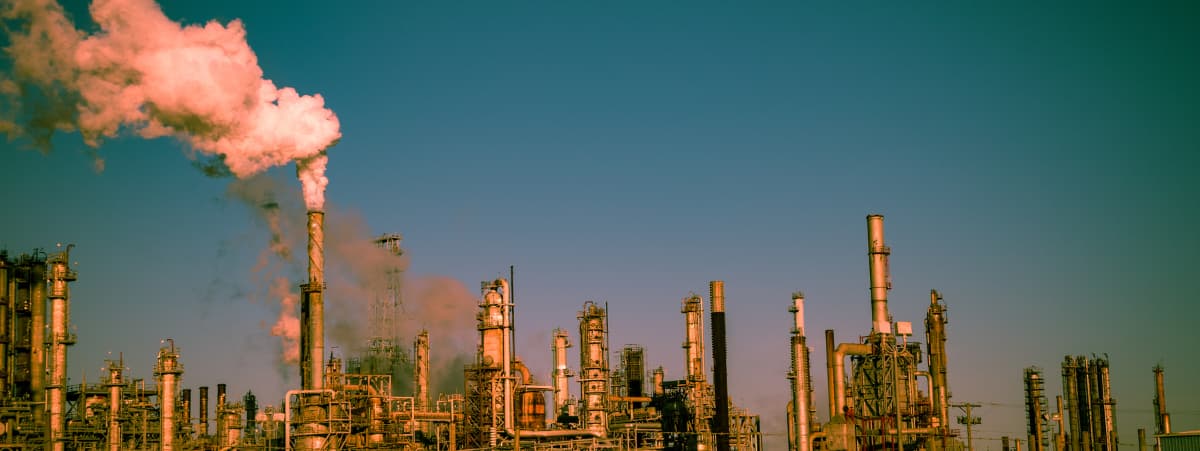
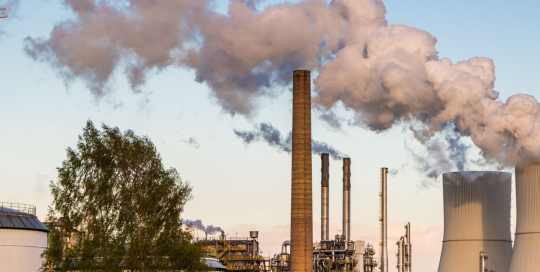
The annual Global Carbon Budget reported a 1.1% increase in fossil fuels, carbon dioxide (CO2) emissions, reaching 36.8 billion tonnes in 2023

Consumers and regulators are increasingly demanding transparency on the environmental impact of the products they buy. As a result, companies are taking steps to make their products carbon-neutral. As a reminder, carbon neutrality means balancing out the CO2 we emit with the equivalent carbon absorption from the atmosphere. To achieve carbon-neutral products, companies must first reduce a maximum amount of emissions generated during its production, and then offset the remainder through carbon credits (financing for climate mitigation projects that take carbon out of the atmosphere). In the coming years, all products will be benchmarked by CO2, and consumers will know exactly how much they pollute before buying them, which will influence their purchasing habits. Carbon-neutral products and services are a necessity. But making it happen is easier said than done. It requires automated carbon footprint calculation and a reliable platform to give customers full visibility on where the carbon credits are generated. ClimateTrade helps companies to fulfil their most ambitious carbon offsetting commitments, empowering their sustainability strategy with our innovative digital solutions. After noticing the trend towards carbon-neutral products and services, we developed the ClimateTrade API, the first API REST that can be easily and securely integrated into the companies’ systems for them to be able to offer their own customers the possibility of acquiring carbon-neutral products and services during the purchase process. And this month, we launched the ClimateTrade Widget, a tool with similar functionalities, but an even easier integration process, making it ideally suited for SMEs and organizations with limited IT resources. The ClimateTrade API and Widget provide customers with information about the carbon footprint of their purchases and offer them the opportunity to invest in sustainable projects while offsetting it. We have already integrated our solutions into the systems of large corporations worldwide. Iberia, offset the carbon footprint of your flight The airline offers its customers to offset the carbon footprint of their flight on a voluntary basis, and when doing so, support sustainable development projects, in a simple click at check-out, thanks to the integration of the ClimateTrade API. The passenger gets the exact carbon footprint of their trip and the price needed to offset it. Read more about how Iberia is using the ClimateTrade API Tu.com from Telefonica, buy carbon-neutral devices Telefónica recently launched Tu.com, the first online platform for the sale of carbon-neutral devices. Reaffirming its commitment to achieving zero emissions by 2050, the company is selling devices whose carbon emissions have already been offset, taking into account the environmental impact generated by their manufacture. Read more about Tu.com Members of the Instituto Tecnológico de la Construcción de Cataluña (ITEC) can offset the carbon footprint of their works ITec allows its members to offset their carbon footprint in all types of works involved in the construction process (such as materials, machinery, transport, etc.) and at any phase of the life cycle (manufacturing, construction, use and deconstruction). Read more about ITeC’s partnership with ClimateTrade Make the ClimateTrade API your competitive advantage: integrate our technology into your e-commerce platform or payment process (checkout) and offer carbon-neutral products or services to your customers. Let each shopping cart contribute to reducing your company’s environmental impact. Contact us to learn more about how to enhance your sustainability strategy.
New standards and public procurement requirements forcing companies to turn their net zero targets into ambitious, yet achievable decarbonisation plans. Today, more than 74 countries, representing over 80% of the world’s GDP and almost 70% of global CO2 emissions, have announced net zero carbon commitments. Moreover, more than 3,000 companies have set their own targets as part of the United Nations’ Race to Zero campaign, in recognition of the fact that the rules of corporate competition are changing, and that the level of global collaboration between companies and governments needs to increase. Most of the commitments share a 2050 deadline. This may seem very far away, but 30 years isn’t much when it comes to decarbonizing a company’s entire operations, and regulators know that. For this reason, governments are starting to align their own net zero targets with their purchasing strategy. A major public tender milestone in the United Kingdom In September 2021, the UK added environmental criteria to its public tender selection process for contracts of more than 5 million pounds. The measure applies to all departments in the central government, as well as executive agencies and public organizations. Among the selection requirements is the delivery of a carbon reduction plan, which must include a detailed breakdown of where the bidding company’s CO2 emissions come from, and what environmental and carbon reduction measures it plans to implement. Several large corporations are already reporting their Scope 1 (direct) and Scope 2 (own indirect) emissions as part of their energy and carbon reports, particularly since 2018. But the new rules go beyond that, requiring not only a commitment to achieve net zero by 2050, but also the reporting of parts of Scope 2 (value chain) emissions. These must be calculated according to the GHG Protocol recommendations, and include business trips, employee commute, transportation, distribution and waste, for the first time. Scope 3 emissions are a significant proportion of an organization’s carbon footprint, yet they are often the hardest to calculate and reduce. For the UK government, understanding, reporting on and reducing these three scopes of CO2 emissions will play a major role in the decarbonization of the government’s supply chain, and of the overall country’s economy. Related articles: EU ETS: What is it and why is it changing? Everything you need to know about the EU Carbon Border Adjustment Mechanism First international standards around companies’ net zero strategies At the same time, the recent launch of the Science-Based Targets Initiative (SBTI) corporate standard aims to put an end to ambiguous “net zero” targets that don’t put words into action. With this methodology, SBTI is giving companies the tools and guidance they need to build a credible and independently verifiable strategy. The goal is also to align short and long-term climate action with the target of limiting global warming to 1.5°C. In practice, the standard aims toward a 50% reduction of corporate emissions by 2030, and 90-95% by 2050. To achieve net zero, the emissions that can’t be eliminated (the remaining 5-10%) will have to be offset through the purchase of carbon credits. The standard requires companies to focus on rapid and thorough emissions reductions, to establish short and long-term targets, and to stay away from large-scale communication on their net zero goal until long-term objectives involving their entire supply and value chains have been achieved. The standard will help large companies elaborate concrete GHG reduction plans that can be verified by third parties, which is very likely to become a requirement from investors as well. Related articles: How to offer carbon-neutral products and services Carbon offsetting for SMEs Institutional investors demand greater ESG transparency Pressure is also growing to comply environmental, social and governance (ESG) requirements from institutional investors (such as BlackRock, Vanguard, State Street or sovereign pension funds), particularly for large, listed corporations. In 2020, 85% of investors implemented ESG criteria in their portfolios. These investors have noticed a correlation between ESG performance and value creation for shareholders. Additionally, ESG criteria are a tool to identify and mitigate environmental, social and governance risks. It has become apparent that companies with a strong ESG performance tend to be more efficient and productive, spend less money, create less waste and enjoy a stronger commitment from employees, which makes them more attractive to both capital and talent. Capital markets and increasingly considering emissions risks in the price of assets, and venture capital in transition technologies is at its highest point. ClimateTrade’s digital solutions to help companies achieve net zero commitments As seen above, investors’ and governments’ requirements around decarbonisation are becoming more stringent, and at the same time, consumers’ sustainability expectations are also growing. In the coming years, products will be compared according to their CO2 footprint, and this will influence purchasing decisions. Carbon-neutral products and services are a necessity, but achieving them is no easy task. It requires the automatic calculation of carbon footprint, and a reliable platform that can give clients complete visibility over where and how carbon credits are generated. ClimateTrade helps companies achieve their sustainability and carbon offsetting goals, strengthening their corporate social responsibility strategies through innovative digital solutions. Having noticed the demand for carbon-neutral products and services, we have developed the ClimateTrade API, the first API REST that can be integrated easily and safely into companies’ systems, so they can allow their own customers to acquire carbon-neutral products and services at check-out. In November 2021, we also launched the ClimateTrade Widget, a solution which presents similar functionalities, but with an even simpler integration process, which makes it perfect for SMEs and organizations with limited IT resources. The ClimateTrade API and Widget give clients information about the carbon footprint of their purchases, and allows them to invest in sustainable projects to offset it. We have already integrated these solutions into the systems of various international corporations. Check out our case studies. ……………… Want to find out more? Contact our experts. Article written by Miguel López, Carbon Credits Manager, and Francisco Martín, Head of Engineering, both at ClimateTrade.