
Climate Impact

Climate Impact

Albufera Blue Carbon
Climate Impact

ClimateTrade and CE/R+S launch the Albufera Blue Carbon Project ‘Albluefera’

The Albufera Blue Carbon project leverages nature-based solutions for carbon offsetting in the Albufera Natural Park. Valencia, November 3, 2022 – ClimateTrade, the blockchain-based climate marketplace, and the Club of Responsible and Sustainable Companies of the Valencian Community today presented the Albufera Blue Carbon project – ‘Albluefera’ – in the Port of Catarroja. The presentation coincided with UNESCO’s International Day for Biosphere Reserves: both CE/R+S and ClimateTrade support the declaration of the Albufera as a biosphere reserve, a title towards which the city has been working for several years. The two entities have signed a collaboration agreement to offset the carbon footprint of Valencian businesses through Nature-Based Solutions (NbS) in the peatlands and surrounding agricultural areas of the Albufera Natural Park. Only companies associated with CE/R+S will join this initiative, so that they can store carbon in the wetland ecosystem through the Blue Carbon methodology, generating a positive impact on the mitigation and adaptation of the climate crisis while offsetting their emissions. Lorena García, Director of CE/R+S, comments: “This is an ambitious and innovative project that will allow our companies to move towards meeting their established decarbonization objectives; as well as contribute to the conservation of our natural area.” Valencian companies Hidraqua and Vickyfoods were among the participants in the launch. José Lindo, Co-Founder of ClimateTrade, added: “At ClimateTrade we work to achieve proximity in carbon sequestration projects. It is important that our companies understand the need to radically reduce their emissions through decarbonization strategies and, when the time comes, work on projects based on nature and regenerative agriculture, linking green employment and decarbonization at the local level.” Natural carbon sinks Marine and coastal ecosystems such as wetlands, peatlands, mangroves, and seagrass beds represent large natural carbon sinks, making it crucial to restore and conserve them to achieve regional and global climate goals. The generation of carbon credits via Blue Carbon projects makes it possible to finance their conservation and restoration. The Albufera Blue Carbon project will cover all the actions that support these ecosystems and the services they provide within the Valencian Community, to respond to various challenges of society such as climate change, food security or the risk of natural disasters. Among other actions, the strategy includes joint leadership on the entire cycle of the CO2 sequestration and mitigation  in the wetlands, the development of the mitigation project through the analysis of opportunities for the Measurement, Reporting and annual Verification of the reduction of emissions, dialogue with validating bodies for project certification, and the final sale of authorized Blue Carbon carbon credits through the ClimateTrade blockchain platform.   About ClimateTrade ClimateTrade is a blockchain-based climate pioneer, aiming to empower large-scale decarbonization through constant innovation. The ClimateTrade marketplace allows companies to offset their climate impact by purchasing carbon, plastic and biodiversity offsets, as well as renewable energy certificates directly from project developers. The ClimateTrade API, Widget and Whitelabel allow clients to integrate marketplace functionalities into their own platform, making their products climate-positive. ClimateTrade is also spearheading disruptive innovation around the digital certification of carbon mitigation projects and supporting the digitization of national carbon registries. About CE/R+S CE/R+S was founded in 2017 as the first regional sustainability club in Spain and the only one in the Valencian Community, with the purpose of leading the transformation of the Valencian business model towards sustainability. The Club currently has 34 members: AGC Flat Ibérica, Angela Impact Economy, Almacenes Lázaro, Alpesa, Grupo Baux, Grupo Bertolín, Zubi Group, Broseta Abogados, Caixa Popular, Choví, Colisee, Consum S. Coop., Cubierta Solar, El Corte English, EAFI Ethics, Grupo Eulen, Excal, Geocivil, Foodiverse, Grupo Gimeno, GDES, Hidraqua, Hinojosa Packing Solutions, Grupo IVI, Grupo Marjal, Novaterra, Ribera Salud, Royo group, RNB Cosméticos, Velarte, Grupo Simetría, Suavinex, Triangle REM and Unimat Prevention.


ClimateTrade COP27
Carbon Markets

Top 5 expectations from COP27

With the world’s largest climate event just around the corner and extreme weather events already causing mayhem around the globe, expectations are at their peak this year. Here are the five advances ClimateTrade expects from the event in Sharm el-Sheikh. 1. Full acceptance of the work of the Integrity Council for Voluntary Carbon Markets The Integrity Council for Voluntary Carbon Markets (ICVCM) is doing tremendous work to bring together the entire carbon ecosystem in setting clear guidelines on carbon credit quality and the functioning of the overall market. It is not easy work, and the Council’s attempt to define Core Carbon Principles (CCPs) has been met with resistance, with certain market players, such as Verra, noting that the process being put in place to guarantee the quality of carbon credits would be “unworkable”.  We at ClimateTrade firmly believe in the necessity to build integrity in carbon markets, and that will not be possible without the buy-in of all market participants in initiatives like the ICVCM. In response to Verra’s statement, our co-founder and head of impact José Lindo said to Carbon Pulse: “In my opinion, we are overly focusing on the ‘how’, i.e carbon integrity processes, and rather we should start the debate from the ‘why’ i.e the purpose served by the CCPs, and reflect on legitimate requirements voiced by countries, scientists, environmental organizations, indigenous communities and, obviously, voluntary carbon market players.” For this reason, we expect the Conference of the Parties to reaffirm the role of the ICVCM in helping align carbon credit supply with quality and transparency expectations. 2. Final definition of the Paris Agreement’s Article 6 rules Last year in Glasgow, countries clarified some of the rules of Article 6, the part of the Paris Agremeent that governs the functioning of carbon trading between countries. For instance, it was decided that to avoid double counting, the country where the mitigation project is based holds the power to decide whether the credits should go towards its own Nationally Determined Contributions (NDCs) or be sold internationally, in which case it would be listed as a credit on its records. Negotiations also clarified which of the credits generated under the Clean Development Mechanism (the Paris Agreement’s predecessor) could be brought over to the new system, and set up some rules around taxing carbon trading transactions. But much remains to be defined for Article 6 to become operational. In particular, we expect this year’s conference to determine the mechanisms that will govern the use of Internationally Transferred Mitigation Outcomes (ITMOs), the units meant to be used for the international emissions trading between Parties to the Paris Agreement. 3. Regulating the registration of Nationally Determined Contributions (NDCs) Equally, the system for calculating and registering Nationally Determined Contributions (NDCs), the emissions reductions countries decide to achieve every five years, is currently not regulated, which can lead to wide variations in ambition between countries. ClimateTrade expects COP27 negotiations to define rules as to how these contributions are calculated, communicated and adjusted. 4. No changes in Paris Agreement signatories The current geopolitical landscape, particularly the Ukraine-Russia war, could put the future of the Paris Agreement at stake. As seen with the withdrawal of the U.S. from the agreement following the election of Donald Trump, governments have the potential to weaponize the world’s emissions reduction goals to achieve their political ambitions. We hope this year’s Conference of the Parties will see no changes in Paris Agreement signatories or faltering in their commitments. 5. Inclusion of biodiversity in carbon market discussions As our understanding of climate change grows and climate action matures, it is becoming evident that biodiversity protection should be part of the carbon equation. This year will be the 15th edition of the UN Biodiversity Conference, which has been run alongside the climate change conference so far. We expect COP27 to mark a turning point in the way countries approach these two areas of sustainability, and a recognition that the two are inextricably linked. ClimateTrade is already working to protect biodiversity in the same way carbon is offset (through voluntary biodiversity credits) and we believe the nascent nature protection credit system could learn a lot from the development of a working carbon market.

U.S. corporate decarbonization
Climate Change News

Best practices in U.S. corporate decarbonization

U.S. companies cannot wait for regulation to force them to mitigate their impact on the climate. Luckily, many of them have already begun their decarbonization journey. As the world’s largest economy, the United States has the power and influence to lead the world towards Net Zero, yet it is still lagging far behind others in terms of climate ambition. This August, President Biden signed the Inflation Reduction Act into law, and while this is the most ambitious climate bill ever passed in the U.S, much remains to be done for the country to reach Net Zero. Public opinion is unanimous: a full 70% of American consumers want corporations to do more against climate change, and 30% already spend more money on products that are better for the environment. Because of this, implementing a Net Zero strategy has become a matter of competitiveness for U.S. companies. Pledges vs strategies Currently, about 200 of the largest U.S. corporations have announced climate goals, the majority of which relate to reaching Net Zero emissions by 2050. But not all of them have backed their strategies with a detailed plan and midterm targets. A recent assessment by NewClimate Institute looked at the pledges of five American companies: Amazon, Apple, CVS Health, Google and Walmart. All of them rated poorly on transparency and integrity, except Apple, which earned a reasonable transparency rating and a moderate integrity rating. In general, climate pledges are judged based on the presence of interim targets, detailed plans, reporting mechanisms and the inclusion of at least part of scope 3 emissions. Of the 200 U.S. companies with climate targets, less than 50 meet those standards. According to the Net Zero Tracker, Workday (tech), Ralph Lauren (fashion), Duke Energy (power) and ExxonMobil (oil and gas) are among the best performers. Tech leading the pack Tech companies are the most advanced in the U.S. when it comes to decarbonizing their operations, with Google (and its parent company Alphabet), Apple and Workday, a cloud software company, consistently ranking between the world’s most sustainable companies. They are making headway thanks to the large-scale adoption of renewable electricity and the use of recycled materials in their products. In 2021, Accenture, GitHub, Microsoft and ThoughtWorks – all American tech companies – launched the Green Software Foundation, whose goal is to set standards and establish best practices for the building of low-carbon software.  How to design an efficient Net Zero strategy In order to take effective climate action and avoid greenwashing claims, it is crucial that U.S. companies follow best practices in terms of disclosures and target setting. According to NewClimate Institute, best practices include annually disclosing emissions in a clear and understandable format and providing a breakdown of emission sources with historical data for each source.  In terms of target setting, the Institute states that companies should explicitly state that their targets cover all scope 1, 2 and 3 emissions, as well as non-GHG climate impacts where relevant, set a specific emission reduction target that is independent from offsetting claims, and aligned with 1.5°C-compatible trajectories or benchmarks for the sector, and set interim targets aligned with the long-term vision in terms of depth and scope. ClimateTrade’s free white paper, ‘A Comprehensive Guide to Designing Efficient Net Zero Strategies’ gathers all the best practices from U.S. companies’ decarbonization stragies to deliver a step-by-step guide to Net Zero. Download it now.

heat waves
Climate Change News

5 actions the world must take to mitigate heat waves and wildfires

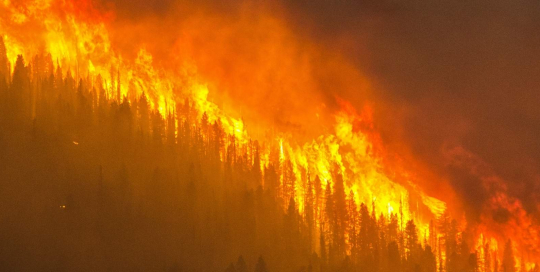
A very real consequence of global warming, heat waves and wildfires are not inevitable.  Like everything related to climate change, mitigating them requires drastic and decisive action from governments, companies and individuals. In this article, we explore five initiatives that could have a direct positive impact on the frequency and intensity of these extreme weather events in the coming years.  1. Address carbon emissions Our first and most urgent priority in combating the effects of climate change should be to combat climate change itself, and that can only be achieved by dramatically reducing the world’s carbon footprint. Countries have been trying to create the right mechanisms for this to happen since the Paris Agreement, but progress is alarmingly slow.  In the meantime, the private sector has a crucial role to play. Each company should calculate its carbon footprint, take measures to reduce it and offset the remaining emissions. 2. Protect and restore forests Forests are amazing carbon sinks that can help us lower emissions: it is estimated that planting 2 billion acres of trees would help capture two thirds of global CO2 emissions (about 205 billion tons) But they also regulate and stabilize the climate. The Brazilian Amazon lost 18 trees per second in 2021, and the country’s climate reached unprecedented extremes, between droughts, wildfires and torrential rains that affected economic activity and killed hundreds of people. If we want to fight heat waves, we need to protect and restore the world’s forests. That’s why many of the carbon offsetting projects on the ClimateTrade marketplace focus on reforestation. 3. Make cities greener Data suggests that removing greenery and creating areas of intense traffic, such as roundabouts, generates so-called “heat islands” where the temperature can be as much as 12°C higher than in other parts of cities. These islands spread extreme heat in surrounding neighbourhoods, putting their residents at risk. In order to protect vulnerable people and improve quality of life within cities, it is crucial to add tree cover and reduce traffic in urban areas.  4. Support regenerative agriculture In traditional agriculture, fields are stripped of trees and native vegetation to plant only one type of crop, supporting growth with chemical pesticides and fertilizers. Over time, these practices erode the soil and affect its health and its ability to retain water. This threatens food security and creates an environment ripe for droughts and wildfires. Additionally, both crops and farmers become much more vulnerable to heat waves in these conditions. In regenerative agriculture, several types of crops and trees are planted in the same field to support a healthy and balanced ecosystem. This diversity reduces the need for chemicals and helps to regulate the local climate, providing better living conditions for plants, animals and agricultural workers. Supporting the food sector’s transition to regenerative agriculture is a very effective way to mitigate the extreme weather events that result from climate change. 5. Eat less meat As seen above, deforestation is directly associated with the worsening of climate change, and beef production is the main driver of deforestation worldwide. In the Amazon, it is common for farmers to burn large areas of forest illegally to create space for raising cattle – a lucrative activity.  By eating less meat and reducing demand, we can remove incentives for this type of deforestation. It is a simple action that any one of us can take today to fight climate change and lower the frequency and intensity of heat waves.

Miami climate tech
Climate Change News

Pairing Two Top Miami Industries — Blockchain and Climate Tech — Will Create Meaningful Carbon Reductions

Net-zero pledges mean little without accurate measurement.  Op-ed by Francisco Benedito, ClimateTrade CEO. When it comes to fighting climate change and mitigating its effects, the eyes of the world are on Miami. Our coastal community has much at stake. And as the Supreme Court limits the EPA’s ability to regulate emissions, new approaches are critical to our future. There are some commendable advances. “Shore power” is finally coming to Port Miami — enabling cruise ships to plug in while in port, using electricity instead of burning fuel. New partnerships are bringing some of the world’s most innovative climate technology companies to South Florida. The county’s first-ever AI-powered smart water pilot program is launching soon — all part of a master plan to reduce Miami-Dade’s greenhouse gas emissions by 50% and achieve net-zero emissions by 2050.  While these goals are admirable, they mean nothing if we don’t have an accurate way to measure their impact. Years into the decarbonization effort, the world still lacks a transparent, accurate measurement of greenhouse gas emissions. A 2021 Washington Post investigation found that the reports countries submit to the United Nations underestimate their greenhouse gas emissions by 8.5 billion to 13.5 billion metric tons.   If we’re serious about creating public-private partnerships that work for the planet, those of us deeply invested in the climate fight must work together to create a reporting system that can stand up to the greatest scrutiny. Blockchain technology — another sector where Miami leads — offers a promising way forward. Combining blockchain with climate tech is a powerful tool for achieving serious climate goals.  Solving a problem of any size — let alone one the magnitude of global climate change —requires accurate, accessible data. Blockchain technology can help to solve some of these transparency issues. “Smart contracts” on the blockchain ensure that just one entity at a time owns or can claim a carbon credit; these ledgers make all documentation immutable and visible to everyone on the network. Smart contracts become even more powerful when combined with “oracles,” a device that connects a blockchain ledger with outside data. Oracles can use satellites and smart sensors to monitor a site’s greenhouse gas emissions and make nearly real-time ledger updates. The result is an accurate, transparent, traceable system that limits the possibility of fraud or human error.  Businesses, governments, and other institutions could easily apply the same technology to their operations to develop more accurate measurements of greenhouse gas emissions, rather than making educated guesses each year that can’t withstand even basic scrutiny. This data would be stored on a distributed ledger, which cannot be manipulated. The technology could also help businesses meet the Securities and Exchange Commission’s new climate change reporting requirements.  Some might scoff at using the blockchain for climate change mitigation efforts because cryptocurrencies have been criticized for having high carbon footprints, but next-generation blockchain industries — which go beyond cryptocoin to include supply chain management, cybersecurity and healthcare — are sharply focused on reducing emissions. And importantly, no other technology in use today solves so many of the reporting requirements and transparency needs in the carbon offsets markets.  If Miami’s leaders are looking to achieve meaningful, measurable greenhouse gas emission reductions, they should look to their colleagues in tech. Using blockchain as a virtual ledger is not a panacea, but it can be a powerful tool to win over skeptics and provide a clear view of the challenges and progress of our collective actions. We will fail to bridge the political divide over climate change, to attract more companies and nations to act, and to rationalize spending trillions of dollars in this fight if our efforts aren’t traceable or believable. In 2022, trust alone won’t cut it.  Francisco Benedito is the CEO and Co-Founder of startup ClimateTrade, a blockchain-based climate solutions provider. One of the TOP 100 worldwide Fintech Influencers for Sustainable Development Goals (SDGs), Benedito founded ClimateTrade with the purpose of establishing an exponential company focused on sustainability. In 2021, he was recognized as one of the 100 Latinos most committed to climate action, in a ranking developed by Sachamama in collaboration with WWF, The Nature Conservancy, the World Environment Center and various other environmental organizations. Earlier this year, Forbes Spain named him one of 22 business leaders most likely to create disruptive change in 2022.

UK climate ruling
Climate Change News

Landmark UK climate ruling holds government accountable for net zero strategy

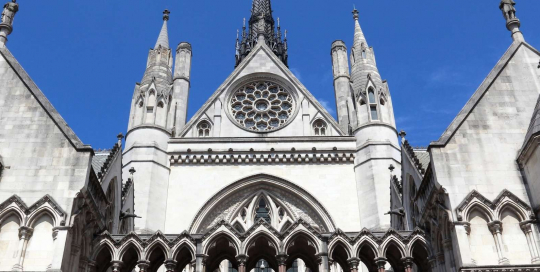
In a landmark ruling last week, the UK’s High Court found that the government has failed to present an adequate strategy to meet its 2050 net zero ambitions, and ordered it to outline a detailed emissions reduction plan. The lawsuit was brought to the High Court by NGOs Friends of the Earth, ClientEarth and the Good Law Project, which argued that the government was not holding up to its obligations under the Climate Change Act of 2008. The Climate Change Act made it the duty of the Secretary of State to ensure that the UK reduced its emissions by 100% compared to 1990 by 2050.  According to the claimants, the government’s Net Zero Strategy, presented last year just ahead of COP26 meetings in Glasgow, did not include the data necessary to assess its effectiveness in curbing greenhouse gas emissions – a claim the court found justified. Now, the government has until April 2023 to submit a new Net Zero Strategy report outlining and quantifying the ways its net zero policies will achieve emissions targets. This is the latest in a series of court cases initiated by citizens and NGOs against governments and institutions for their lack of action to counter climate change: the UNEP Global Climate Litigation Report 2020 found that between 2017 and 2020, the number of such court cases went from 884 in 24 countries to at least 1,550 in 38 countries.  What’s particularly interesting is that courts are increasingly finding governments guilty of not doing enough against climate change. In early 2021, a Paris court ruled that the French state had failed to take sufficient action in a case brought by four nongovernmental organizations, and was, as such, partially responsible for climate change. In a follow-up ruling last October, it ordered the government to bring the country’s carbon emissions down by about 15 million tons, to reach the target established in the first carbon budget (2015-2018) by the end of 2022. What does the UK climate ruling mean? The UK government now has to prepare a fresh Net Zero Strategy report that clearly quantifies emissions reductions. The strategy itself is unlikely to change, as it was not questioned by the court or even the claimants. But the addition of measurable data points will promote transparency and accountability in climate action. This follows a general trend to make climate targets more data-based, as opposed to aspirational, in order to combat greenwashing.  The timing of this review is interesting, as the Ukraine-Russia war and the resulting threat of a natural gas shortage has led many European countries to prioritize energy security over decarbonization – by approving new fossil fuel developments at home. In fact, at least three new oil and gas or coal developments have been approved by the UK government since COP26. Data-based climate targets At ClimateTrade, we believe that blockchain technology is a helpful tool to develop climate targets aligned with measurable data, and to keep track of them over time and across borders. Indeed, blockchain is based on decentralized governance and data storage, which makes it inherently suited to the pursuit of consensus. Additionally, since all data stored on blockchain is immutable, it allows for full traceability in all transactions. All our solutions are based on blockchain infrastructure, supporting companies’ ESG reporting and transparency efforts and ensuring the real positive impact of their carbon offsetting activities. Contact us to find out more.

Other Categories

Gender equality climate action
Climate Impact

Gender equality for climate action

When it comes to combating climate change, women are a key part of the solution. In this article, we explore the importance of gender equality for climate action. March 8th is International Women’s Day, and throughout the month, many organizations increase their focus on supporting women in various ways. For the UN, this is also the month of Sustainable Development Goal 5 (SDG 5) relating to gender equality.  While some progress has been achieved in recent years, we are still very far from gender equality: worldwide, women still earn 24% less than men, and no country has managed to close this pay gap. Around the world, 750 million women and girls were married before the age of 18, and in 18 countries, husbands can legally prevent their wives from working. Women’s vulnerability to climate change Covid-19 has worsened gender inequality: new projections of global poverty by UN Women, UNDP and the Pardee Center for International Futures estimate that globally, 388 million women and girls will be living in extreme poverty in 2022 (compared to 372 million men and boys). ​​According to these new forecasts, 83.7% of the world’s extremely poor women and girls would live in just two regions: Sub-Saharan Africa (62.8%) and Central and Southern Asia (20.9%). More women than men live in extreme poverty today, and as such, they are disproportionately affected by the impacts of climate change. But they are also a key part of the solution, which is why any efforts to mitigate climate change must also tackle gender equality challenges. Women and agriculture Agriculture is at the center of the climate crisis both because the effects of global warming are threatening global food security, and because more sustainable agricultural practices could provide climate solutions. For instance, the latest IPCC report on climate change adaptation and mitigation highlighted agroforestry as a climate-resilient way of growing food while also creating wildlife habitat. Globally, women are just 13 per cent of agricultural land holders, yet they represent around 43% of the agricultural workforce. In the least developed countries, 64.3% of women were employed in agriculture in 2015. According to the UN Food and Agriculture Organization, if women had the same access to productive resources as men, they could increase yields on their farms by 20-30%, which would raise total agricultural output in developing countries by up to 4%, providing solutions to food security challenges. Gender-responsive climate finance There is increasing evidence that shows that gender equality and women’s empowerment would yield greater returns to economic growth and, more broadly, to sustainable development. It is therefore clear that incorporating gender awareness and gender criteria into climate financing mechanisms and strategies would make climate finance more efficient.  But women still don’t have adequate access to funds and other resources to adapt to the consequences of climate change: 9 in 10 countries in the world currently have at least one law impeding women’s economic opportunities, including access to credit. Gender considerations were only recently included in climate collaboration: there was no mention of gender in UN climate change negotiations until 2008. Today, climate finance mechanisms are beginning to include gender-related criteria in their assessment of projects. For instance, the Green Climate Fund, a financing body focused on mitigation and adaptation to climate change, adopted a gender policy in 2015, which says that a gender and social assessment must be included with every funding proposal, and that a gender and social inclusion action plan must be developed for every project. Watch the UNFCCC’s video below to understand what gender-responsive climate finance is and what benefits it can bring to women and men. ClimateTrade projects focused on gender equality On the ClimateTrade marketplace, climate mitigation projects are organized by SDG, so you can offset your carbon emissions while supporting the causes most important to you. We currently have 14 projects with a particular focus on gender equality (SDG 5): browse them here.

ESG investment regulation
Climate Change News

New and upcoming ESG investment regulation

Governments around the world are clamping down on greenwashing, and that includes the financial sector. Discover the latest ESG investment regulations that may influence your business.