
Climate Impact
What is the Future of Voluntary Carbon Markets?
Voluntary carbon markets are crucial for advancing global efforts to reduce emissions. To optimize their effectiveness, collaboration among stakeholders is essential.

Voluntary carbon markets are crucial for advancing global efforts to reduce emissions. To optimize their effectiveness, collaboration among stakeholders is essential.

Biodiversity loss is the emerging climate change in the transport industry, but biodiversity credits could support the sector’s challenges.
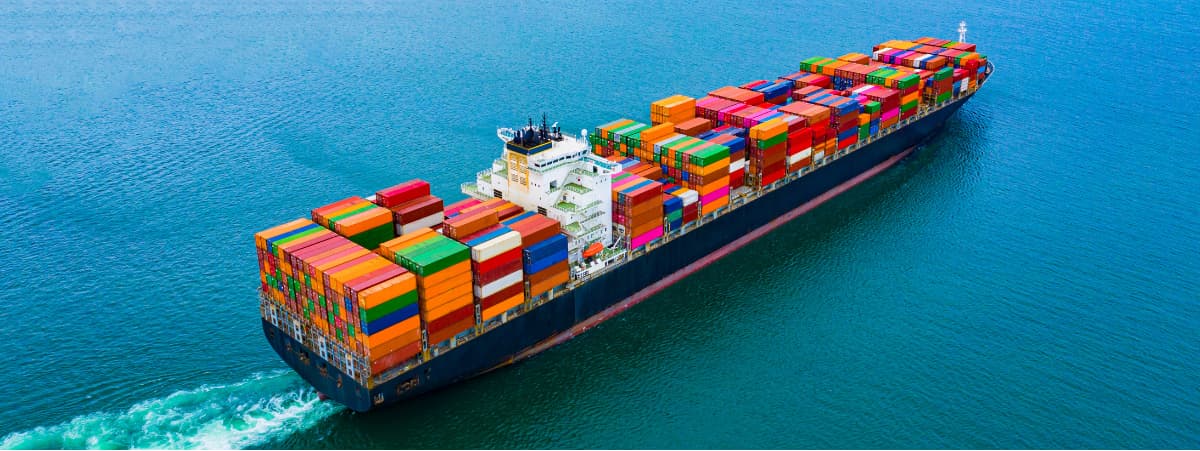
New European Government legislation will support and accelerate the transition to low-carbon supply chains and transport.

Climate conversations will continue to dominate as severe weather events increase and nature-based solutions are set to lead the way in carbon markets.

Research indicates that the events industry’s annual carbon footprint is responsible for over 10% of global CO2 emissions.

Stuck for corporate gifting ideas? How about making your employees carbon-neutral?
This December TeamClimate is launching an initiative that gives companies the opportunity to give back to their employees while also making a positive impact on the planet.
Today’s climate disclosure announcement by the Securities and Exchange Commission (SEC) is the first step towards comprehensive climate regulation for US public companies. In a landmark announcement on March 21, the US financial market regulator unveiled a plan for climate-related risk and greenhouse gas disclosure requirements for listed companies in the country. It includes the mandatory reporting of Scope 1, 2 and 3 emissions, as well as any material impacts climate-related risks can have on the company’s business, strategy and outlook, such as physical and regulatory exposures. “I am pleased to support today’s proposal because, if adopted, it would provide investors with consistent, comparable, and decision-useful information for making their investment decisions, and it would provide consistent and clear reporting obligations for issuers,” said SEC Chair Gary Gensler. GHG emissions and decarbonization initiatives According to the proposed rules, listed companies would be required to disclose information about: their governance of climate-related risks and relevant risk management processes; how any climate-related risks they have identified have had or are likely to have a material impact on their business and consolidated financial statements over the short-, medium-, or long-term; how any identified climate-related risks have affected or are likely to affect their strategy, business model, and outlook; the impact of climate-related events (severe weather events and other natural conditions) and transition activities on the line items of their consolidated financial statements, as well as on the financial estimates and assumptions used in the financial statements. Additionally, all companies subjected to these requirements would have to disclose information about their direct greenhouse gas (GHG) emissions (Scope 1) and indirect emissions from purchased electricity (Scope 2), while the largest companies and those with an established GHG reduction target that includes Scope 3 emissions would also have to disclose those emissions from upstream and downstream activities in its value chain. In a sample letter sent to companies last September about the proposed changes, the SEC mentioned that companies should align their financial filings with their corporate social responsibility (CSR) or environmental social and governance (ESG) reporting, including the disclosure of any significant greenhouse gas reduction initiatives and their cost. Additionally, the letter said companies may be required to disclose “material effects of transition risks related to climate change” that may affect their business, financial condition, and results of operations, including policy and regulatory changes, market trends, credit risks and technological changes. “The proposed disclosures are similar to those that many companies already provide based on broadly accepted disclosure frameworks, such as the Task Force on Climate-Related Financial Disclosures and the Greenhouse Gas Protocol,” said the SEC in a press release about the new rules. The purpose of the new rulebook is to harmonize the data companies give their investors around the risks that climate change represents for their business. What this could mean for corporate decarbonization in the US Gregory Kasin, Commercial Manager, US, at ClimateTrade, notes: “Unfortunately, in the past 30 years the US has taken a backseat in regards to addressing the externality associated with GHG emissions on a global scale. There have been many regional efforts in regards to establishing emissions trading, such as in California. However, on a national or international level the US has fallen behind other countries (especially in Europe) in establishing effective legislation to combat climate change.” He adds: “The SEC’s recommendation for requiring the disclosures of corporations’ GHG emissions is a major step forward in getting the US once again engaged in the fight against climate change. As more people begin to understand the impact of this crisis, requiring public disclosures of emissions will provide transparency and hold companies accountable to do their part. It will reward conscientious companies since customers will choose to do business with them and raise the bar for others to do more.” Investors’ ESG pressure This move is part of President Biden’s focus on climate change, but was also largely driven by investor pressure. The SEC published its initial guidance in 2010 on how companies should disclose their climate change risks in their financial filings, but it has not historically taken significant enforcement action with respect to these disclosures. This guidance remains in effect today, and it involves the disclosure of certain material direct and indirect risks presented by the physical impacts of climate change, increased climate change regulation, business trends, and other matters. Since its publication, investors have been asking for additional disclosure requirements, as they require an increasing amount of clear and comparable environmental data to comply with their own ESG criteria. Disclosing climate-related risk exposure has been a requirement for listed companies of more than 500 employees in the European Union since 2018, but there had been no sign of such a legislative measure in the United States until today. More on this topic: Financial institutions must do more against climate change New IPCC report urges inclusive and holistic action Next steps The new SEC rulebook will now go through a period of public feedback, with plans to finalize the document by the end of 2022. It is likely to encounter a lot of resistance, as many corporate representatives have expressed fears about the added regulatory burden it would place on US companies. If you would like to know more about how your company can prepare for upcoming changes in SEC climate disclosures requirements, please contact us.
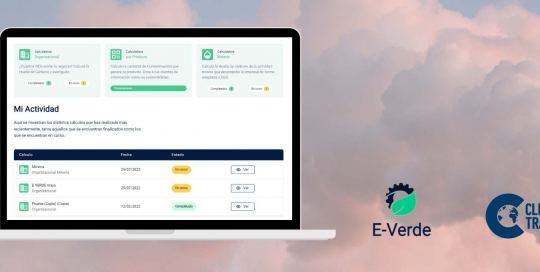
ClimateTrade announces the acquisition of E-Verde to expand its carbon calculation capabilities. ClimateTrade, the first blockchain-based climate marketplace, announces today the acquisition of E-Verde, an SaaS provider specialized in carbon footprint calculation, with the purpose of expanding its calculation capacities and meet the needs of its clients. The Valencian tech company already offers several automated carbon footprint calculators for the mobility, building and airline sectors, which are being used by clients such as Cabify or Melia Hotels. Now with E-Verde’s software, it is adding other calculators for specific sectors looking to expand their ESG and sustainability initiatives. Moreover, E-Verde’s founder, Nerea García, joins ClimateTrade as calculation specialist within the company’s consulting team, bringing her experience and knowledge to support the development of more sector-specific calculators. Francisco Benedito, ClimateTrade CEO, comments: “Calculating carbon footprint is a key moment in our clients’ decarbonization journey, and E-Verde’s calculators, now integrated within our services, allow them to conduct this activity autonomously and accurately.” With these initiatives, ClimateTrade is enriching its portfolio of services and supporting the decarbonization of companies that want to take action against climate change through a 360 offering and experience: on top of its calculation services, the company offers a blockchain-based platform facilitating transparent carbon offsetting. Its climate marketplace connects carbon mitigation project developers directly with companies looking to offset their footprint, while its API allows companies to offer carbon-neutral products and services to their clients. For E-Verde, the acquisition represents a growth opportunity and access to new markets. The company, which was born from its founder’s final project at university, was one of the winners of the 9th Startup Creation Marathon organized by Miguel Hernandez University in 2020, and shortly after was added to its startup hub. “E-Verde was born as a response to companies’ need to calculate their emissions in the easiest way in order to develop their industrial activities in a more sustainable way. Now, ClimateTrade offers E-Verde the development and growth opportunity the project needed to meet its objective,” notes García.

Carbon markets were high on the agenda with the leading integrity focused organizations announcing a joint collaboration to enhance market wide trust and transparency.