The global conversation around energy is changing rapidly. For decades, sustainability discussions focused mainly on decarbonization and replacing fossil fuels with renewables. Today, a new challenge is emerging at the center of geopolitical and technological discussions: Will the world have enough electricity to sustain the next industrial revolution?
Countries once confident in their energy security are beginning to sound alarms. Canada, traditionally seen as an energy-rich nation, has recently expressed concerns about the possibility of future electricity shortages as demand accelerates. The reason is clear: the world is entering an era where electricity is no longer just a utility — it is becoming a strategic asset.
At the center of this transformation is Artificial Intelligence.
AI data centers are multiplying at unprecedented speed. Training large AI models, operating cloud infrastructure, and supporting real-time digital services require enormous computational power — and therefore enormous amounts of energy. According to industry estimates, a single large AI data center can consume as much electricity as a medium-sized city.
At the same time, governments and corporations are pushing for the electrification of transport, industrial processes, and buildings. The result is a historic collision between rising electricity demand and insufficient energy generation capacity.
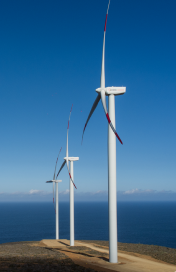
Renewables such as solar and wind remain essential pillars of the energy transition. However, their intermittency creates challenges for powering 24/7 industrial systems and AI infrastructure that require constant baseload electricity. Battery storage is improving, but scalability and cost remain significant barriers.
This is where nuclear energy is re-entering the global conversation.
Nuclear Energy Returns to the Spotlight
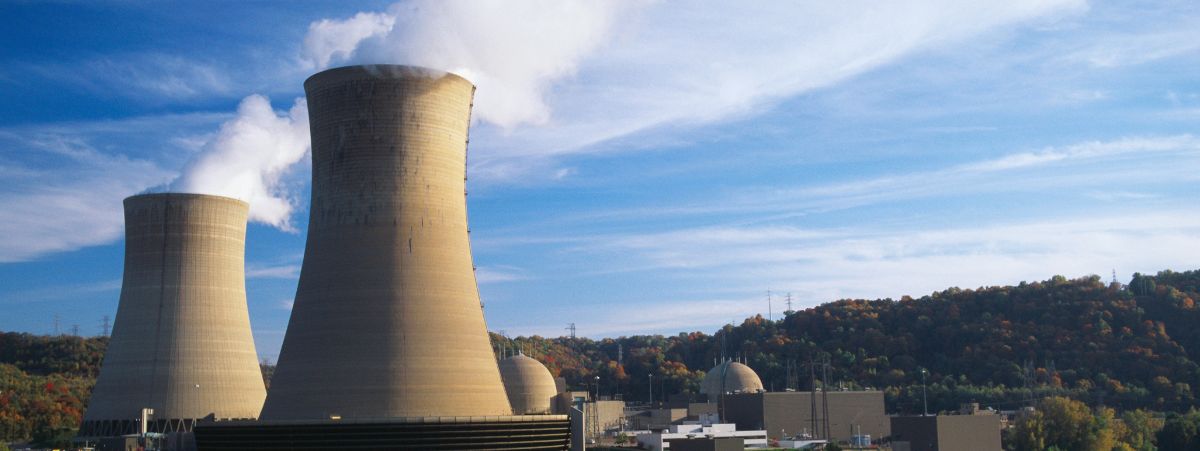
Nuclear power offers one of the few scalable, low-carbon energy sources capable of delivering continuous baseload electricity. Unlike fossil fuels, nuclear plants produce almost no operational CO₂ emissions. Unlike solar and wind, they are not dependent on weather conditions.
However, traditional uranium-based nuclear plants also carry significant challenges.
Large-scale conventional reactors require massive infrastructure investments, long construction timelines, and sophisticated cooling systems. In today’s geopolitical environment, centralized nuclear facilities also raise concerns around security and resilience. A missile strike or military conflict affecting a conventional plant could create catastrophic consequences.
In addition, uranium reactors generate long-lived radioactive waste that remains a major environmental and political concern.
These limitations have accelerated the search for safer and more adaptable nuclear technologies.

The Rise of Small Modular Reactors (SMRs)
One of the most promising developments is the emergence of Small Modular Reactors (SMRs).
Unlike traditional nuclear plants, SMRs are designed to be smaller, modular, and easier to deploy. Many are engineered with passive safety systems that reduce the risk of overheating or catastrophic failures. Their compact design also allows for distributed deployment closer to industrial centers or remote regions with growing energy demand.
Several SMR startups in the United States and Europe have raised billions of dollars in investment, reflecting growing confidence from both governments and private capital markets.
SMRs could become a critical piece of future energy systems by supporting:
– AI data centers
– Industrial decarbonization
– Hydrogen production Grid stabilization
– Energy access in emerging economies
At Climatetrade, we are actively participating in this transformation. The company has joined a consortium promoting a Stage 4 Small Modular Reactor technology currently being developed and manufactured in India, where demand for scalable clean energy solutions is rapidly increasing.
These next-generation thorium-based SMRs are designed with capacities ranging from 20 MW to 100 MW, making them highly adaptable for industrial clusters, remote regions, desalination facilities, ports, and energy-intensive digital infrastructure such as AI data centers.
An additional advantage is their ability to support desalination processes, generating clean and safe water alongside electricity production. In a world increasingly affected by water scarcity and climate stress, the combination of energy and water generation could become strategically critical for many regions.

Why Offshore Thorium Reactors Could Change the Game
Among emerging nuclear technologies, thorium reactors are attracting increasing attention.
Thorium is a naturally occurring radioactive metal that is more abundant than uranium and offers several potential advantages:
– Reduced long-term radioactive waste
– Lower risk of weaponization
– Enhanced operational safety
– Greater fuel efficiency
– Potentially lower meltdown risk
Importantly, some thorium reactor concepts can operate at atmospheric pressure, reducing the likelihood of explosive failures associated with conventional nuclear plants.
One particularly innovative aspect of the technology being developed is its offshore deployment model.
Instead of constructing massive permanent nuclear infrastructure on land, these modular reactors can be installed offshore on specialized platforms. This creates several strategic advantages:
– Improved physical security and isolation
– Reduced impact on populated areas
– Easier cooling access through seawater
– Simplified logistics for deployment and maintenance
– Reduced long-term land contamination risks
At the end of their approximately 40-year operational lifecycle, the reactors can be removed and transported away more efficiently than conventional land-based plants. This avoids leaving large-scale nuclear infrastructure permanently onshore and significantly reduces the need for decades-long land quarantine processes often associated with traditional nuclear facilities.
This approach could redefine how nuclear energy is integrated into future energy systems: modular, mobile, scalable, and more compatible with modern environmental and geopolitical realities.

Fusion: The Long-Term Vision
Beyond fission technologies such as uranium and thorium lies the ultimate energy ambition: nuclear fusion.
Fusion aims to replicate the same process that powers the sun, generating enormous amounts of energy without long-lived radioactive waste. In theory, fusion could provide virtually limitless clean energy.
The challenge is timing.
Although recent scientific breakthroughs have been extremely promising, most experts estimate that commercially viable fusion reactors remain at least 5–10 years away, followed by additional years for industrial scaling and regulatory approvals.
Still, fusion startups are attracting unprecedented levels of investment, and governments worldwide are accelerating research programs.
Energy Will Define Economic Power
The next decade may redefine the global economy around one central question: who has access to abundant, stable, and clean energy?
Countries capable of securing scalable electricity generation will likely dominate the AI economy, industrial production, and technological innovation. Those unable to expand their energy capacity could face economic bottlenecks, industrial slowdowns, and rising energy insecurity.
The world is moving toward a future where energy availability becomes as strategic as access to oil was in the 20th century.
In that context, next-generation nuclear technologies — particularly SMRs and thorium reactors — deserve serious attention as part of the global decarbonization strategy.
The energy transition is no longer only about replacing fossil fuels.
It is about ensuring humanity has enough power to sustain the digital civilization it is rapidly building.